
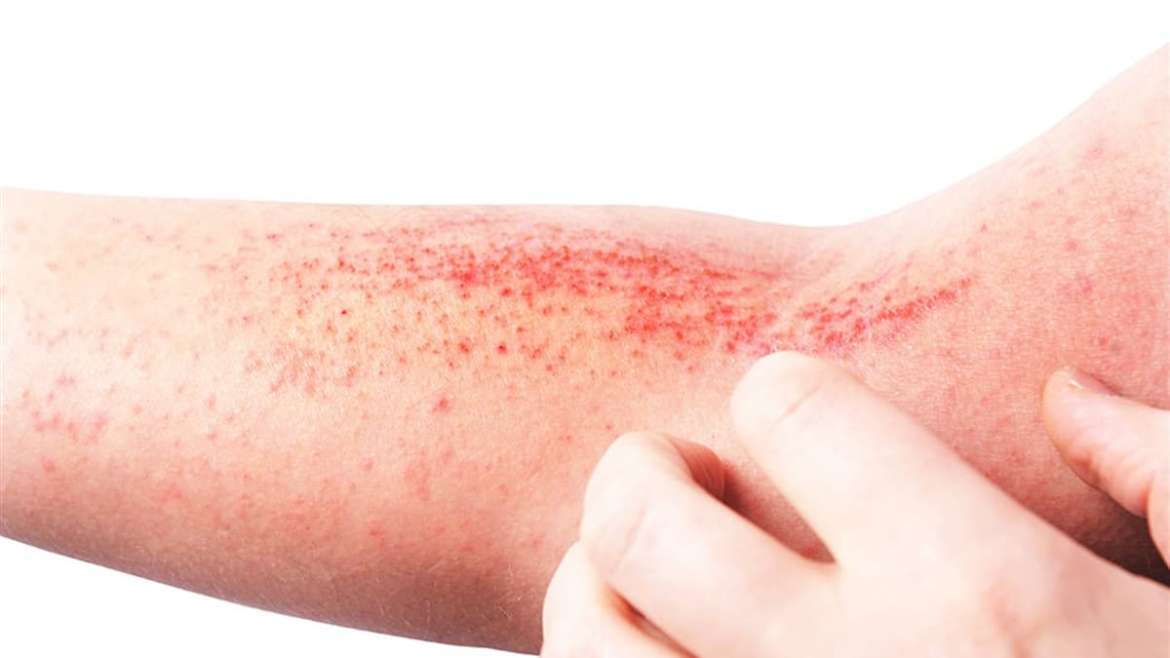
Eczema is a skin disease characterized by redness, scaling, itching and, in some types, small blisters.
HOW MANY TYPES ARE THERE?
The most common types;
-Seborrheic eczema
-Atopic eczema
-Numular eczema
-Irritant themes eczema
AT WHAT AGE IS IT SEEN?
- Eczema can be seen in every age group starting from the newborn period.
- Seborrheic eczema and atopic eczema are most common in children.
- Eczema at any age should be treated by a dermatologist.
WHAT ARE THE CAUSES AND TRIGGERS OF ECZEMA?
Genetic factors
Immune problems
- Dry skin
- Irritating cosmetics and skin cleansers
- Intensive contact with water, soap and detergent
- Cold weather
- Stress
ECZEMA TREATMENT
Avoiding irritating and drying skin care products
Use appropriate moisturizer after showering and washing
Avoiding excessively cold and hot water, preferring warm water
Using protective clothing such as gloves and scarves in cold weather
Always use protective gloves when cleaning
In case of persistent complaints, it is of great importance to consult a dermatologist and use the treatment he/she will recommend regularly.
Eczema is a disease that can recur in certain periods. It is important to use moisturizers regularly and avoid triggering factors.
What is seborrheic dermatitis?
Seborrheic dermatitis, also known as oily eczema, is a condition characterized by dandruff and itching with oiliness and manifests itself with rashes located in areas where sebaceous glands are dense, such as the scalp, eyebrows on the face, edges of the nose, chest, back and genital area.
Seborrheic dermatitis is characterized by occasional relapses and exacerbations. The key to success in treatment is regular check-ups and regular use of the prescribed medication.
- Medical shampoos should be used in every shower during the severe phase of the disease. When the severity of the disease subsides, medical shampoos should be used once or twice a week, alternating with non-medical shampoos. Patients with seborrheic dermatitis should wash every 1-2 days.
- In very severe cases, cortisone lotions and creams can be used for a short time. Mixtures containing tar, sulfur and salicylic acid will be useful for intense crusting.
Although the cause of seborrheic dermatitis is not known exactly, some factors are thought to trigger the disease. Emotional state changes, distress, stress, fatigue, insomnia, intense work tempo and fermented beverages (beer-wine) can lead to increased complaints.
The immune system, atmospheric conditions affect seborrheic dermatitis. There may be flare-ups in cold weather. It is known that seborrheic dermatitis decreases or even disappears in summer, especially during vacations.

